
In Switzerland's wine-producing regions, which include Valais, Vaud, German-speaking Switzerland, Geneva, Ticino and the Three-Lakes region, over 2,500 winegrowers cultivate 14,569 hectares of vineyards.
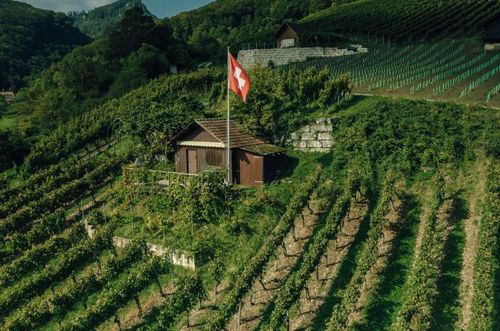
The special relief of the Swiss vineyards leads to viticulture on a human scale, where the winemaker's hand is the most important tool in helping the grapes to ripen.
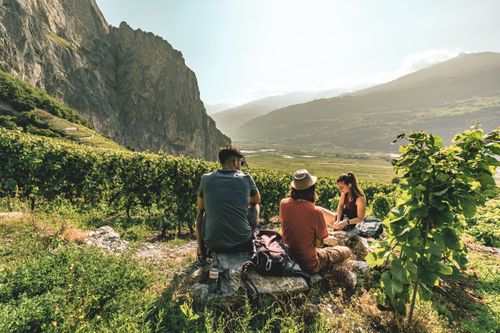
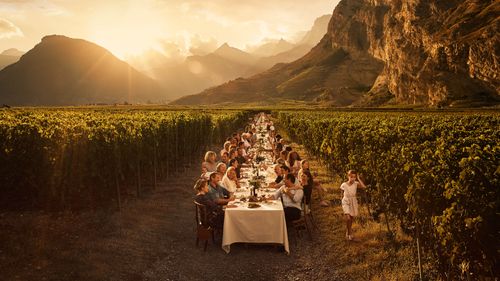
Switzerland offers numerous wine tourism destinations and activities in the heart of the Alps. A wide variety of landscapes and grape varieties ensure exciting experiences.
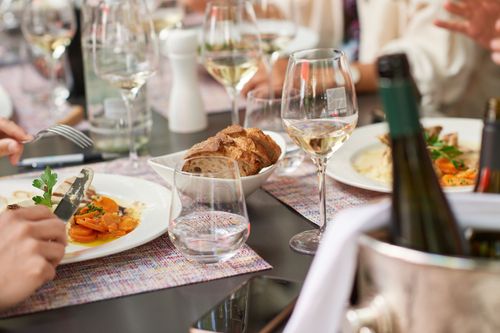
Pairing wine and food doesn't have to be complicated. We show how the right wine can perfectly round off a dish.
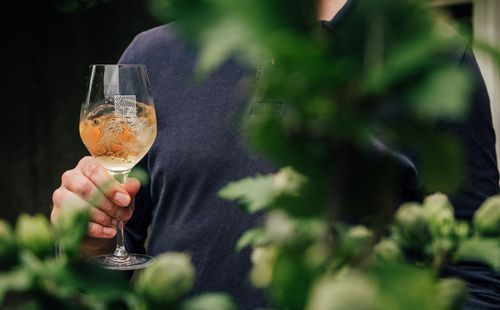
From the grapevine to the wine glass: discover fascinating insights about wine, learn technical terms, and deepen your knowledge with our wine courses.
Three lakes, four cantons, two languages: perhaps Switzerland’s most diverse wine region
By Marc Checkley
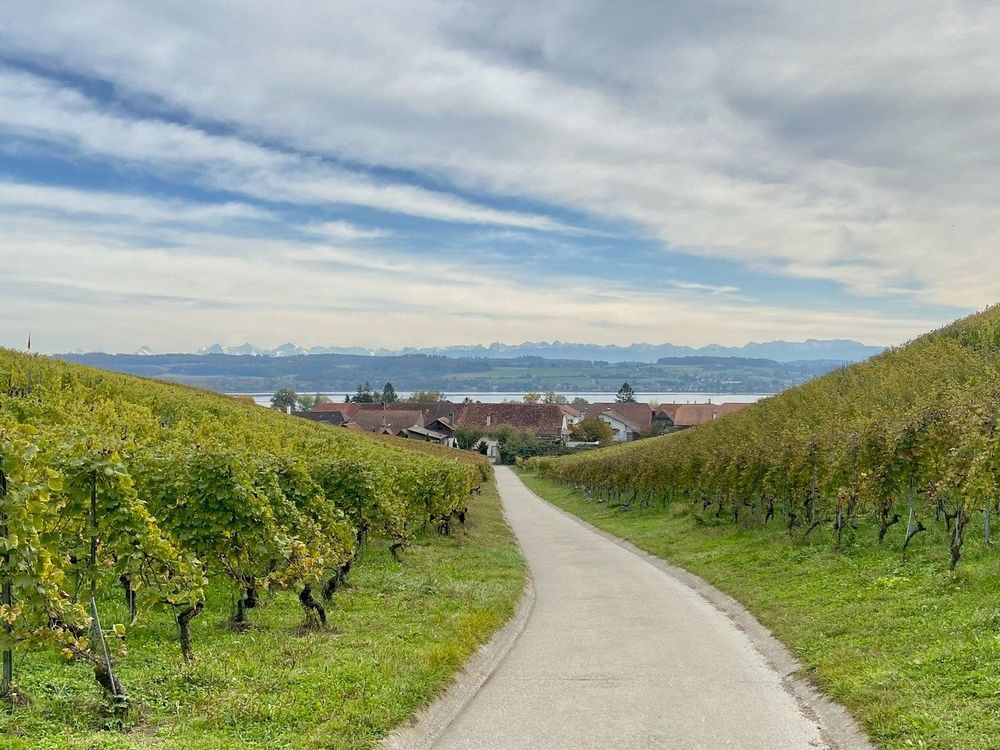
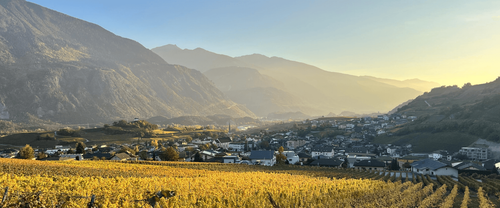
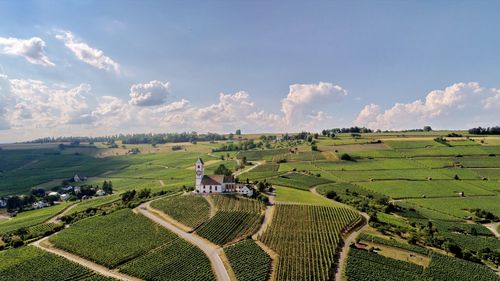
Mont Vully offers an impressive view: vine-covered slopes frame three lakes, charming villages line their shores, the Jura mountains flank the western border and the distant silhouettes of the Eiger and Jungfrau rise high in the distance. This is a region shaped by Celtic tribes, Roman trade routes and generations of winegrowers.
Although they account for less than seven per cent of Switzerland’s vineyard area, two of the country’s most distinctive wine styles originated here. The first is the Œil de Perdrix, a pale salmon-coloured rosé made exclusively from Pinot Noir, first mentioned in Neuchâtel 165 years ago. The second is the Non-Filtré, an unfiltered Chasselas so popular that its launch is celebrated with an annual winter festival.
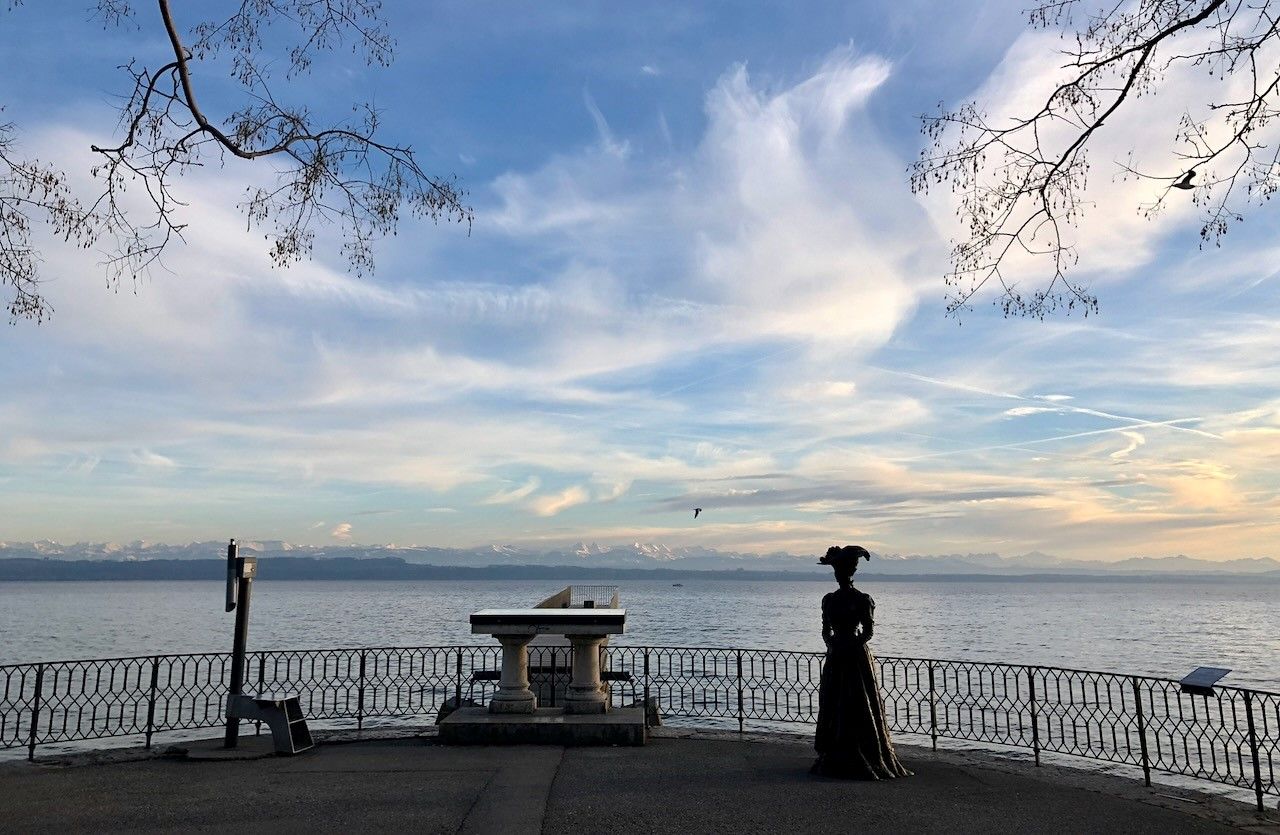
It is a mosaic of identities. The Three Lakes Region stretches across Lakes Biel, Murten and Neuchâtel, four cantons – Bern, Fribourg, Neuchâtel and Vaud – as well as two languages – French and German – and is one of Switzerland’s most fascinating cultural landscapes, yet one that is often overlooked by wine travellers.
Neuchâtel: The gateway to the Three Lakes Region
The city (and canton) of Neuchâtel is the ideal place to drop anchor and explore the wider region. The Hôtel Palafitte sits directly above the water, whilst the Hotel Beaulac, with its rooftop bar, is sure to create lasting memories. Before venturing into wine country, be sure to make time for the Laténium in nearby Hauterive. Switzerland’s largest archaeological museum traces the millennia-old history of humanity around the lake. Celtic tribes once lived here, and remains of prehistoric cheese-making remind visitors that these shores fed people long before viticulture was established.
Hire a bike and follow the picturesque path south towards the medieval village of Auvernier. Under the guidance of winemaker Henry Grosjean, a 15th-generation vintner, Château d’Auvernier is one of the region’s most renowned estates. Nearby, the Colomb brothers at Domaine Bouvet-Jabloir are setting new standards, whilst Domaine de la Maison Carrée and Domaine Chambleau demonstrate why this small stretch of the shoreline exceeds expectations, producing elegant, terroir-driven wines. Lunch at the Brasserie du Poisson is the obvious next step: fish from the lake, regional produce and a glass of Chasselas are a delight to enjoy whilst taking in the view across the lake.
Further south in Cortaillod, Morgan Meier’s Domaine des Landions produces some of the region’s most acclaimed Pinot Noirs. For a change of pace, we recommend taking the return journey by ferry.
Lake Biel: Where wine tradition meets a spirit of discovery
Further north, the landscape changes gently as Lake Biel comes into view. The villages remain closely linked to wine, yet here French and German influences blend together. Twann is one of the most picturesque stops, its narrow streets lined with historic wineries. Anne-Claire Schott has built up a loyal following with her biodynamic, minimally processed wines and her thoughtful approach to viticulture.
Martin Hubacher of Johanniterkeller, on the other hand, continues the family tradition rooted in the steep slopes of the Jura, producing, among other things, seductive Chardonnays. The Andrey Schafis Winery in Ligerz offers a tapas and wine experience, whilst Vinitour allows you to sample more than a dozen wines along the three-kilometre-long wine route.
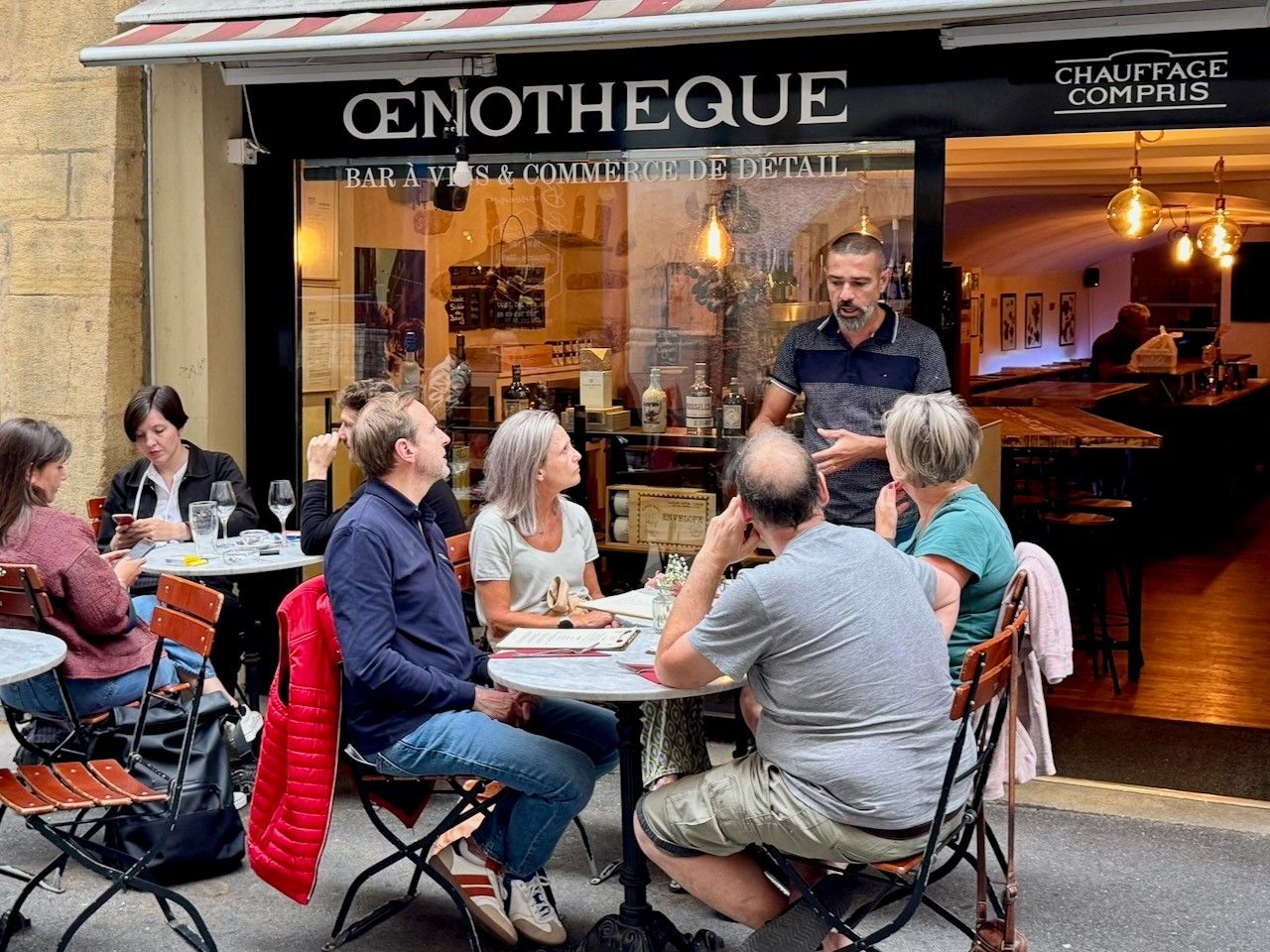
For families, a visit to the Secret Primrose Garden, an urban farm and aperitif bar, makes for a tasty detour. And as the day draws to a close, the Oenothèque Chauffage Compris in Neuchâtel offers one of the region’s most diverse selections of Swiss wines, whilst dinner at Brasserie Le Jura combines local flavours with excellent wines from across the Three Lakes region.
Mont Vully and Lake Murten: Delights with a view
The slopes of Mont Vully are perfect for a day trip. Over 2,000 years ago, the Helvetii established a fortified settlement here, and parts of the ancient fortification walls can still be seen today. Tunnels carved into the sandstone during the First World War reveal another chapter in the region’s strategic history. Fribourg Tourism offers informative guided tours here in several languages throughout the year.
The view from the summit of Vully alone is worth the climb, but there is much more to experience on the shores of Lake Murten. The vineyards here lie between the cantons of Fribourg and Vaud, and local producers such as Cru de l’Hôpital and the Simonet family of Le Petit Château welcome visitors for tastings from April to November (please ring ahead). Be sure to try the rare Freisamer (Freiburger) grape variety there – an aromatic cross between Pinot Gris and Silvaner. Two further regional specialities are the Gâteau du Vully and Mont-Vully cheese, which is matured in local Pinot Noir. There are also a handful of accommodation options here, such as Salavaux Castle and the Attila ‘boatel’, which offers a unique stay on the lake.
From the Romans to absinthe: discoveries beyond the vineyards
Nearby Avenches, once the Roman capital of Helvetia, is home to one of Switzerland’s most impressive amphitheatres. During the warmer months, activities and guided walks take place here regularly.
The Val-de-Travers tells the story of absinthe, the potent green spirit that originated in these valleys before being banned and eventually revived. Mauler, Switzerland’s oldest sparkling wine producer, is also located here and is open for tours from Wednesday to Saturday.
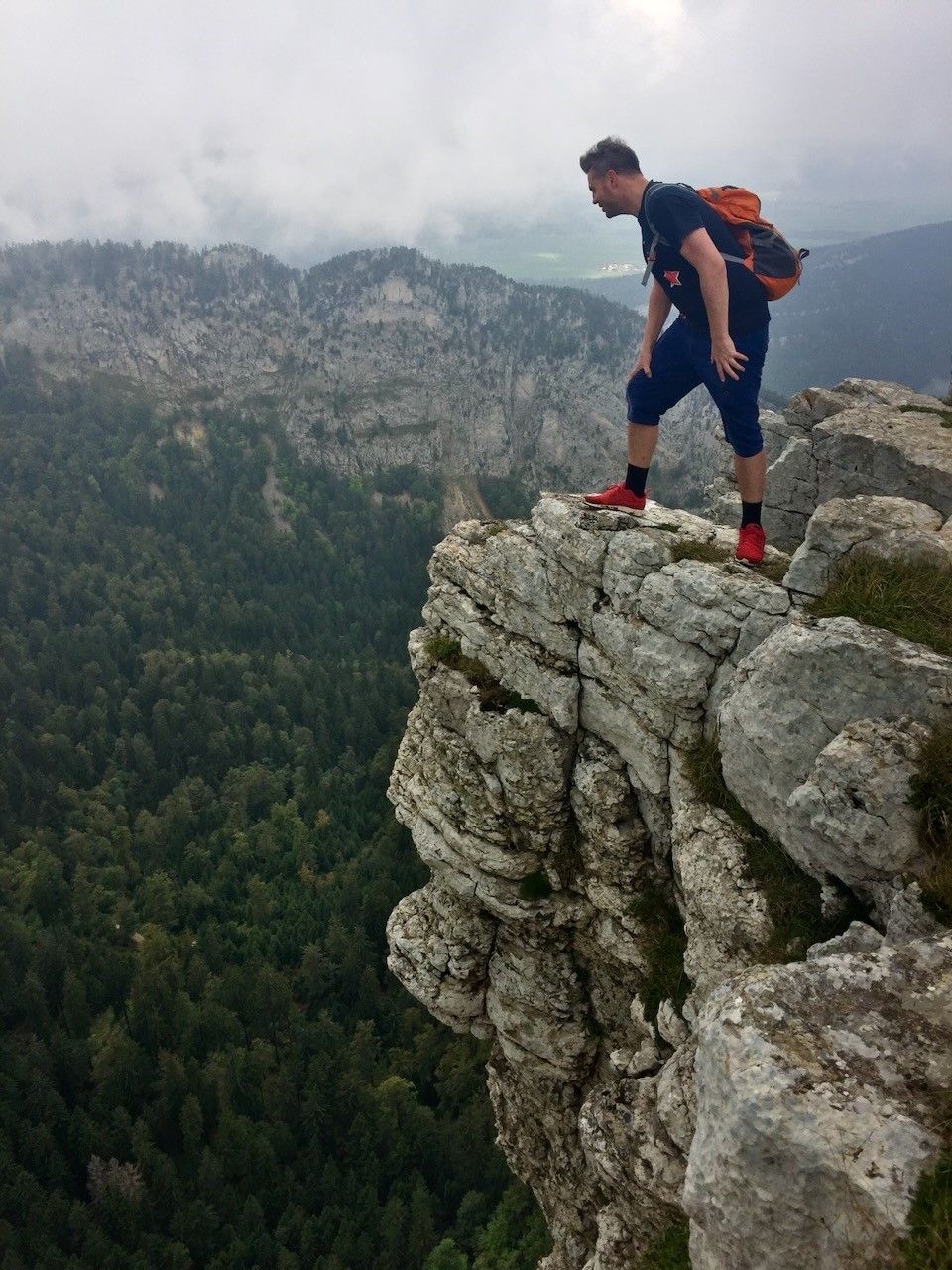
And for those who prefer a break from wine, the Creux du Van – the ‘Swiss Grand Canyon’ – offers one of the country’s most spectacular natural spectacles.
Related Articles
All the news about Swiss wines and exclusive reports.
To visit our site, you must be of legal drinking age in your country of residence.