
In Switzerland's wine-producing regions, which include Valais, Vaud, German-speaking Switzerland, Geneva, Ticino and the Three-Lakes region, over 2,500 winegrowers cultivate 14,569 hectares of vineyards.
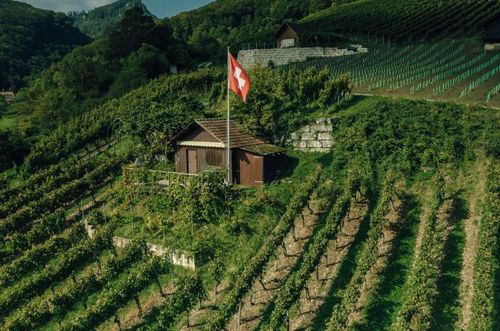
The special relief of the Swiss vineyards leads to viticulture on a human scale, where the winemaker's hand is the most important tool in helping the grapes to ripen.
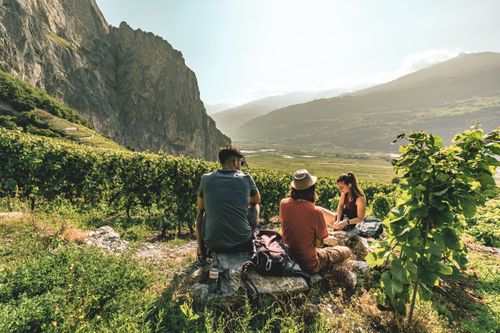
Switzerland offers numerous wine tourism destinations and activities in the heart of the Alps. A wide variety of landscapes and grape varieties ensure exciting experiences.
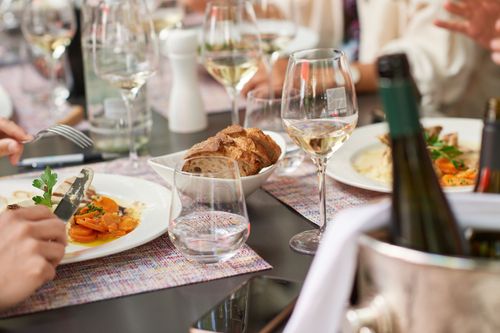
Pairing wine and food doesn't have to be complicated. We show how the right wine can perfectly round off a dish.
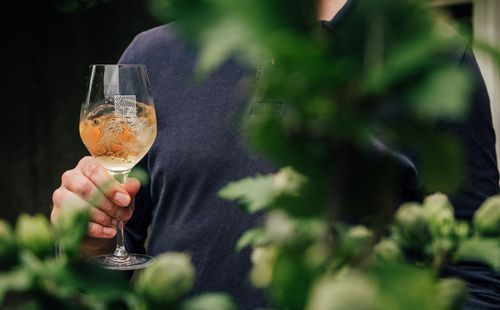
From the grapevine to the wine glass: discover fascinating insights about wine, learn technical terms, and deepen your knowledge with our wine courses.
At the Heart of the Harvest: A Story of Sharing
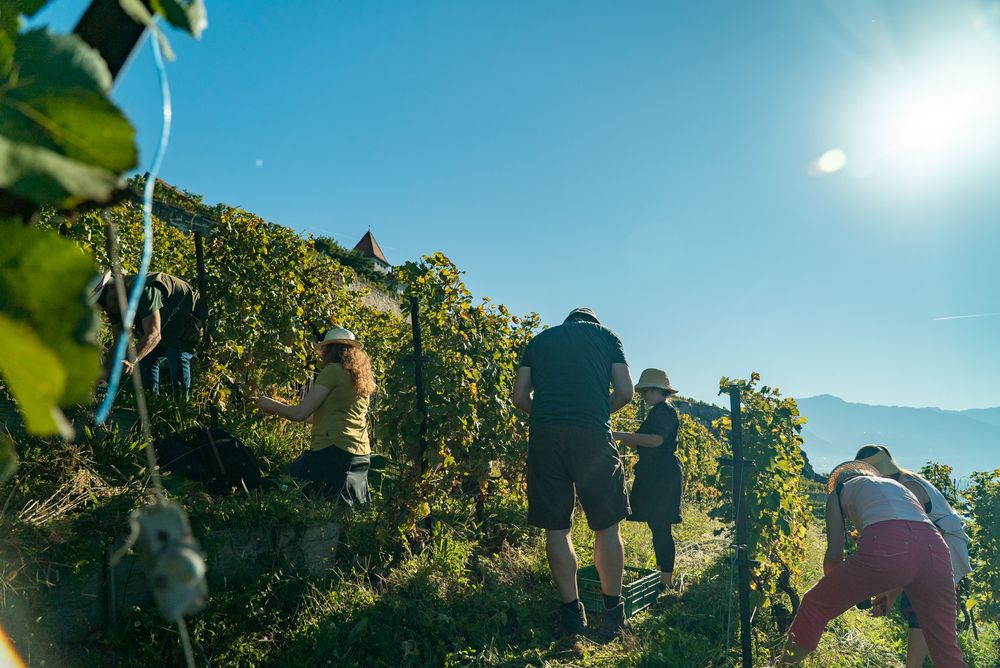
This September, Swiss winegrowers invite you to share a truly special experience. From picking the grapes to bringing them into the cellar, discover the work behind one of the most important moments in the winemaking year. For one day, stories, skills and knowledge are shared among the vines.
Written by Leïla Klouche
The defining moment of the wine year
The grape harvest is one of the highlights of the winegrowing year. For a few short weeks, everything accelerates. Each grape variety needs to be picked at exactly the right stage of ripeness, while the weather continues to play a decisive role.
The harvest marks the culmination of months of work in the vineyard, but also the beginning of a new journey: the grapes leave the vines for the cellar, where their transformation begins. At the Heart of the Harvest gives visitors the opportunity to experience this decisive moment alongside Swiss winegrowers.
A vintage shaped by the weather
Alongside the soil, work in the vineyard and the decisions made by winegrowers, the climate gives each vintage its own character. Drought and heat can therefore have a significant impact on the grapes.
In Auvernier, Benoit de Montmollin of Domaine de Montmollin is optimistic: “Grapes like warmth. The lack of water has kept the berries small, but they are very concentrated. We have also hardly needed to treat the vines, because humidity is what encourages disease.”
A little rain could still help the grapes grow slightly larger. At Maison Gilliard in Sion, however, Julien Picard remains cautious: “At this stage, what we really need to avoid are heavy summer storms that could damage the bunches just before harvest.” Fingers crossed.
Secateurs in hand, right in the action
On harvest day, participants discover for themselves what the vintage has in store, secateurs in hand. The day usually begins with coffee and croissants before everyone joins the teams in the vineyards.
“The idea is to share the complete experience, from vineyard to cellar, so that people can really understand what the harvest is like in Valais,” explains Julien Picard.
After one or two relaxed hours of picking, with everyone working at their own pace, the crates are taken to the grape reception area. This is where visitors begin to discover the winemaking process.
The atmosphere remains deliberately informal. As Benoit de Montmollin explains: “Some people fill several crates, while others chat and simply enjoy the moment. The aim is for everyone to have as much fun as possible.”
The landscape also helps to enrich the experience. Whether it’s the lake, the steep mountains or the rolling hills, each region adds to the day with its own beauty.
Understanding the choices behind the wine
At Domaine du Château-du-Crest in Jussy, Esther Dos Santos-Meyer makes a point of introducing the teams and explaining the decisions that shape their work.
Some of the grapes are harvested mechanically, which raises plenty of questions among visitors. “With 23 grape varieties reaching maturity at different times, the machine gives us the flexibility to harvest at exactly the right moment depending on the weather, while maintaining very high quality,” the winegrower explains.
The most curious visitors can even take a ride on one of the vineyard vehicles. They also discover PIWI grape varieties, which are naturally resistant and require very few treatments. The Geneva estate has chosen them as an alternative approach to organic viticulture.
These choices provide plenty of opportunities for discussion. “People may be drinking less, but they are thirsty for knowledge and culture,” Esther says.
When meeting the people changes the wine
Meeting the people who make a wine changes the way you experience it. “I enjoy drinking a wine more when I know the winery,” Benoit observes. Once back home, the faces and landscapes discovered during the experience return with every glass.
At Maison Gilliard, these encounters are also an opportunity to pass on the knowledge and stories associated with Valais' winegrowing heritage.
Esther experiences the same sense of connection in Jussy: “Visitors become attached to us, and when they later see our estate on a map, they will recognise it with affection.”
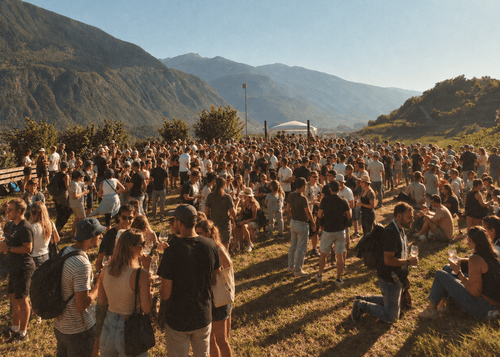
At Domaine de Montmollin, the day ends with a meal together in the garden. Benoit sums up the atmosphere perfectly: “At the beginning, everyone is quite formal with one another. By the end, everyone is on first-name terms.”
Related events
Related Articles
All the news about Swiss wines and exclusive reports.
To visit our site, you must be of legal drinking age in your country of residence.